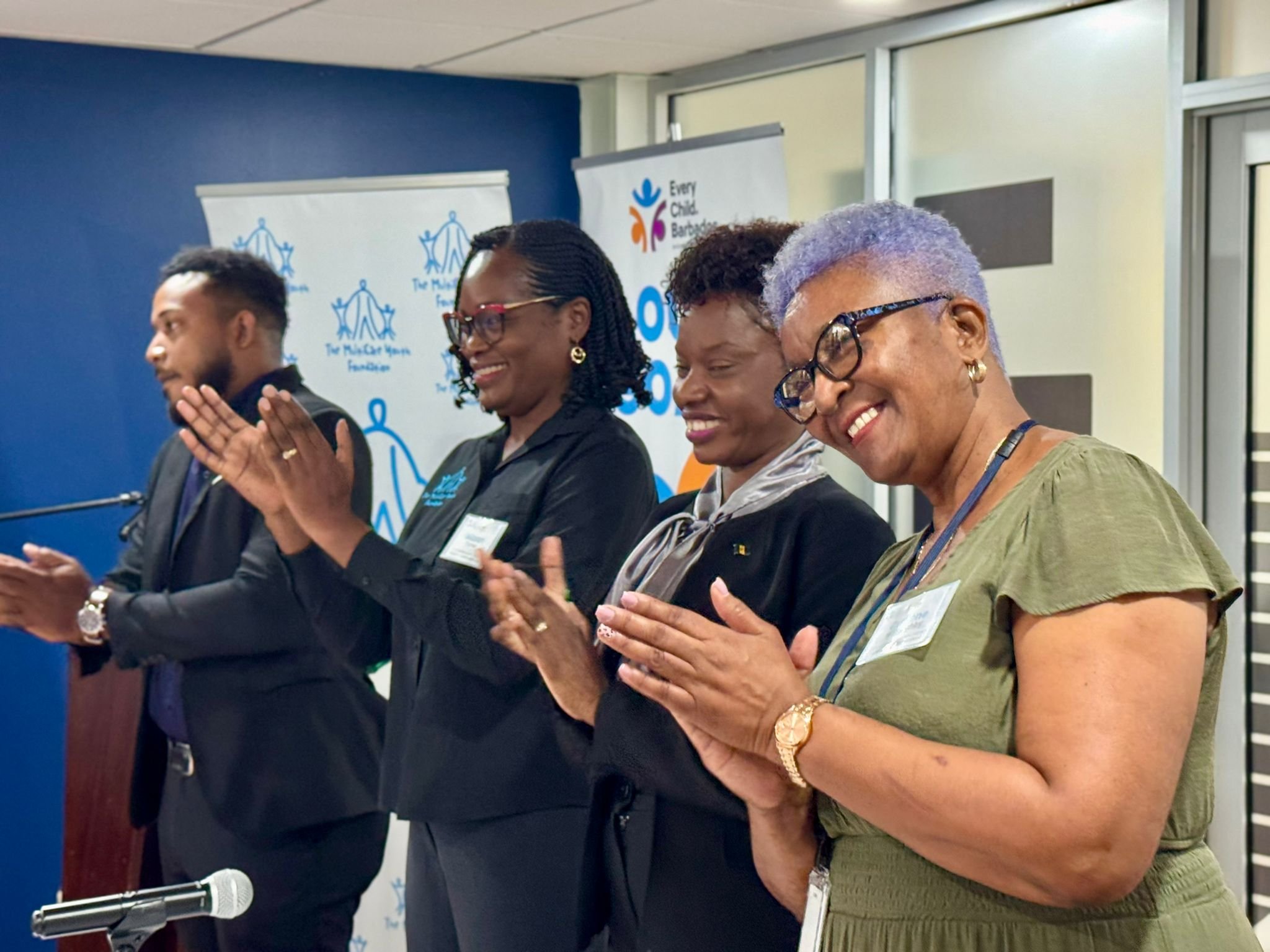
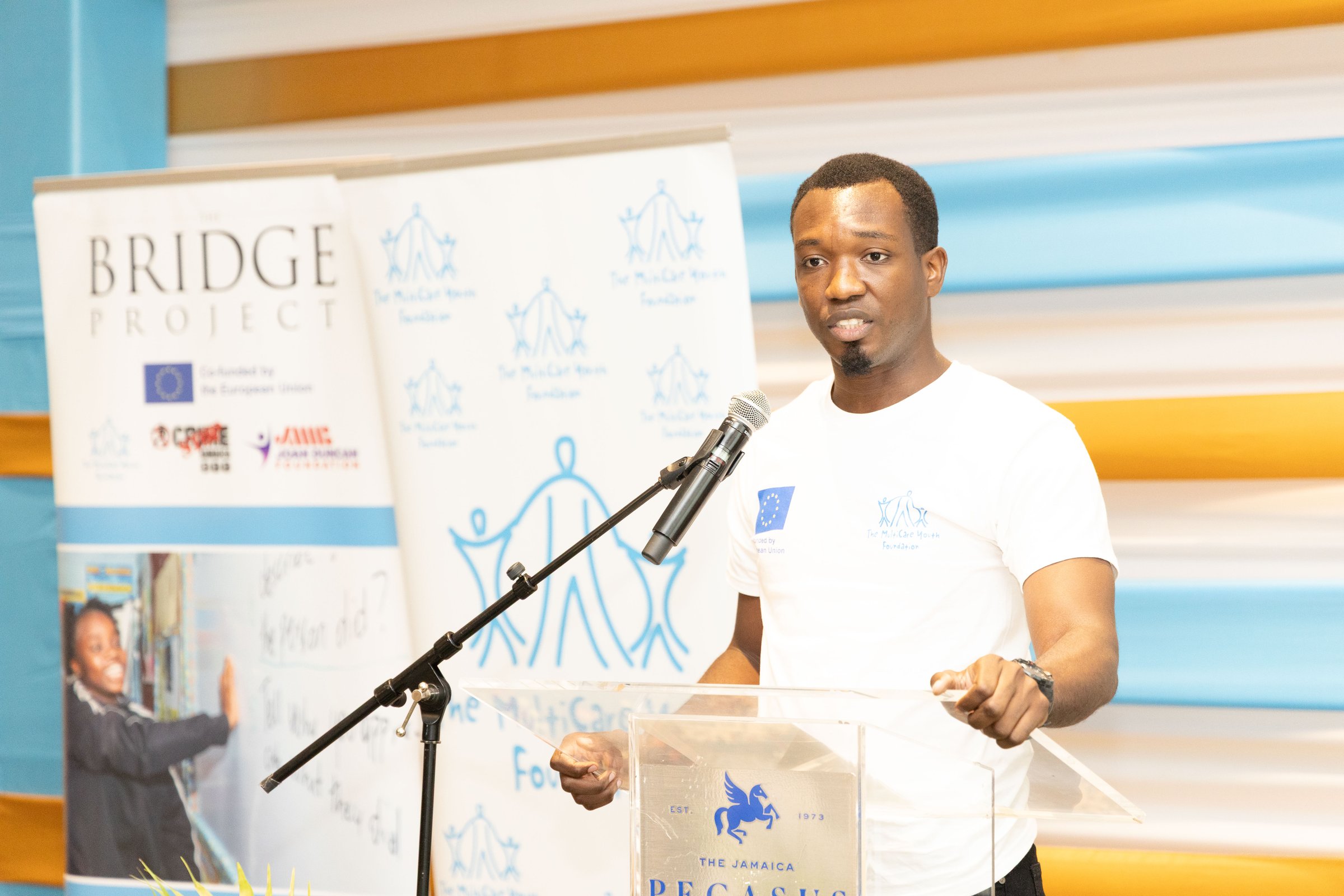
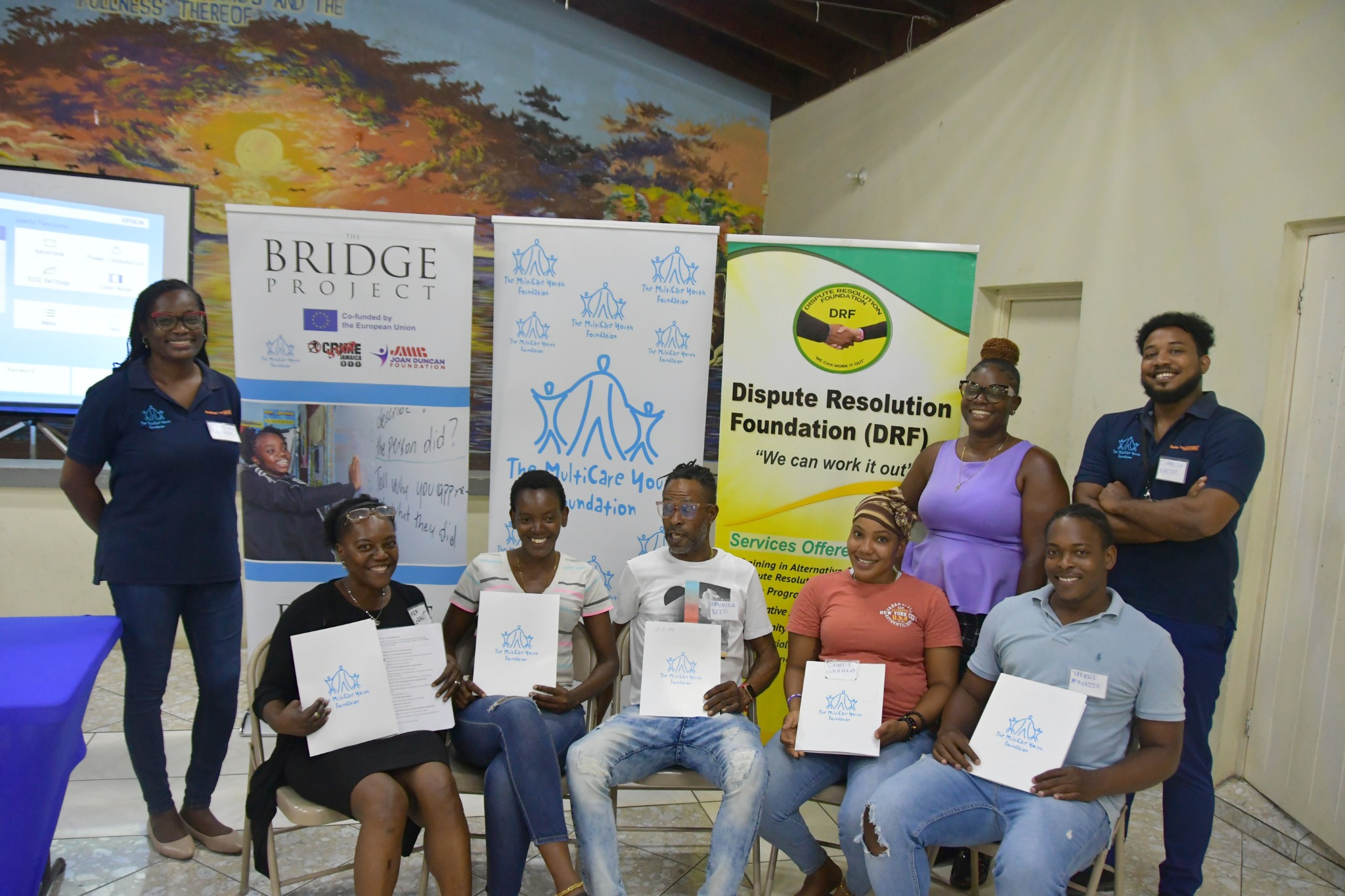
KINGSTON, October 13 (JIS): The MultiCare Youth Foundation (MYF) has partnered with the Barbados Ministry of Educational Transformation to deliver the Transforming Our Perspective – Cognitive Behavioural Therapy (TOP-CBT) Training of Trainers Workshop.
The workshop, which is currently underway is a groundbreaking regional initiative aimed at equipping educators and youth workers with practical, evidence-based tools to address maladaptive behaviours in youth through mental health interventions.
Over the next two weeks, fifty Guidance Counsellors, Teachers, School Counsellors, Social Workers and other youth workers across 42 schools will participate in two cohorts of training, each spanning five days.
The sessions are being facilitated by Clinical Psychologist and CBT Master Trainer, Dr. Kai A.D. Morgan, alongside Associate Clinical Psychologist, Mr. Kyle Schloss.
Participants will receive training on how to use the programme to address the individual risk factors of youth at their respective schools and will serve as a game changer in the fight against youth crime and violence.
Following the Training of Trainers Workshops, participants will also benefit from post-training coaching to support the integration of CBT methodologies into their existing programmes, with guidance on the required monitoring and evaluation framework to be provided by The MYF.
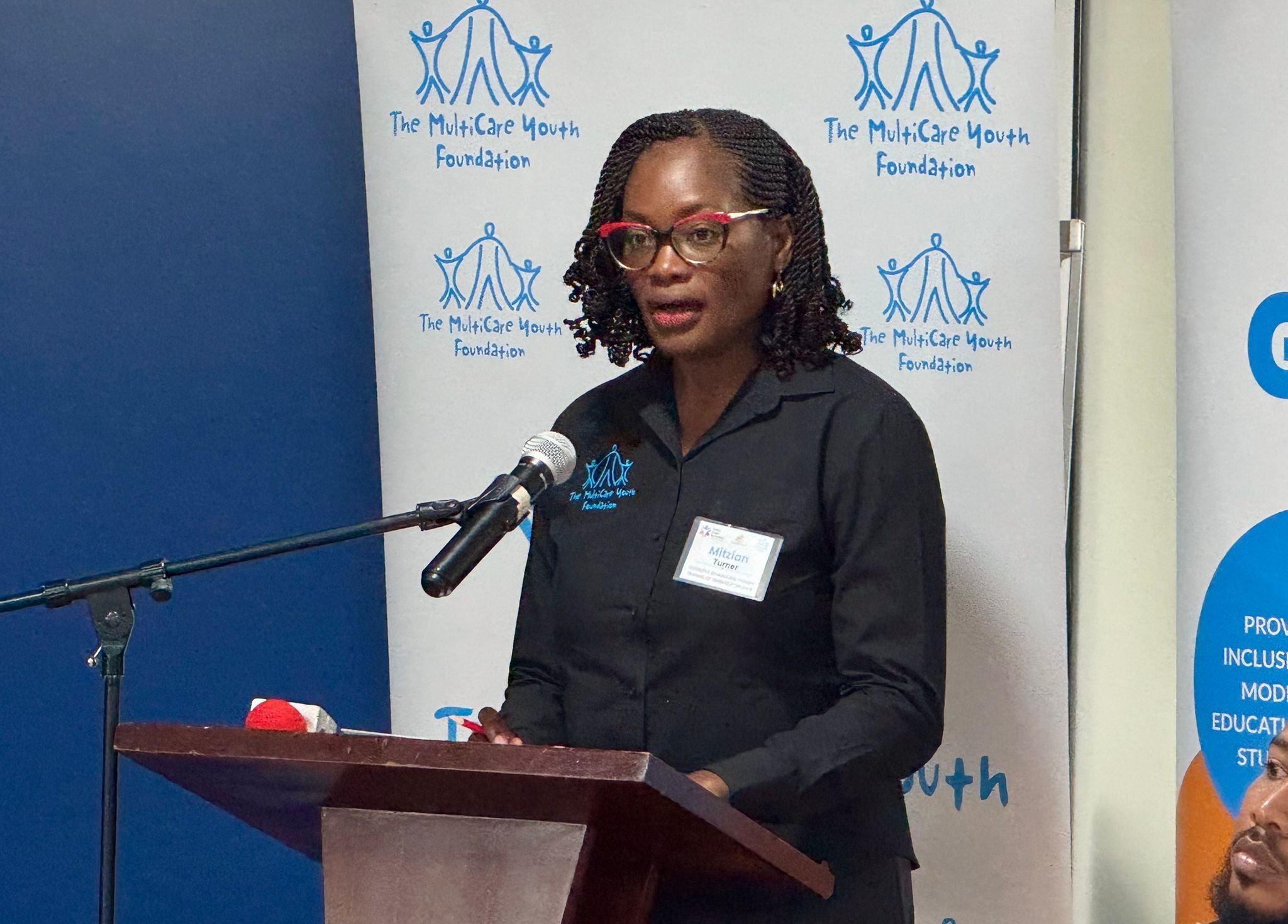
In her remarks at the opening ceremony held in Barbados on October 13, Executive Director of The MYF, Mitzian Turner, described the initiative as a significant milestone for the organisation and for youth development in the Caribbean.
“The MYF recognises that no one size fits all in this fight against youth crime and violence. As such we have built an evidence–based and highly effective five pillar model of life and employability skills training, vocational skills certification, mentorship, internships and the most recently added, TOP–CBT, the pillar for which we are here this week.”
“The TOP-CBT model is a local adaptation of the Mexican ROLE model, designed and developed by Dr. Morgan and her team to address behavioural risk factors among at-risk youth. Since 2019, the MYF and Dr. Morgan have implemented the programme across Jamaica using the Training of Trainers model, with support from major international development partners including the United States Agency for International Development (USAID), the European Union (EU), and the United Nations Development Programme (UNDP),” Mrs. Turner informed.
The programme has demonstrated measurable success, including substantial reductions in youth aggression and impulsivity, and significant increases in positive, pro-social behaviours among youth populations both in and out of school, as well as those in correctional institutions.
The Executive Director noted that while youth crime and violence are pressing issues in Jamaica, many Caribbean nations, including Barbados, face similar challenges. She referenced data from the UNDP Caribbean Human Development Report (2012), which highlights growing concern about youth violence in a region where over sixty percent of the population is under the age of thirty.
“However, we have found that by addressing individual and environmental risk factors, fostering self-regulation and changing negative perception, our CBT programme has demonstrated measurable impact on the behavioural outcomes of medium and high-risk youth who are often impacted by trauma,” she shared.
Continuing, she said that “our TOP-CBT results include average reductions of 63.85% in youth aggression; 60.51% in impulsivity and increases in pro-sociality by 71.54%. These results are across youth populations in-school, out-of-school, as well as in-remand and/or on correctional orders within the Juvenile Correctional Centres in Jamaica.”
Given the positive results that the CBT programme has yielded, the MYF is now seeking to expand its model to the wider Caribbean.
“We as Caribbean people share deeply-rooted historical connections, a rich culture and heritage and face similar geo-political, economic and social conditions. As such, we do believe that we are therefore best positioned to combine our unique knowledge, skills and shared experiences. It is through this collaboration, that we can develop and provide the solutions that best address our own local and regional contexts, especially as it relates to the issues of youth crime and violence,” Mrs. Turner shared.
She acknowledged that this training in Barbados comes at a critical time, as the country faces a rise in serious crimes committed by school-aged children and increased youth exposure to violence.
By introducing Cognitive Behavioural Therapy as a core intervention strategy, the workshop aims to strengthen the capacity of local youth service professionals to deliver targeted psychosocial support in schools and communities.
The MYF has over 30 years of experience working with multiple local and international donor agencies and other partners to provide critical social intervention programmes, which have benefitted more than over 200,000 vulnerable youth across Jamaica.