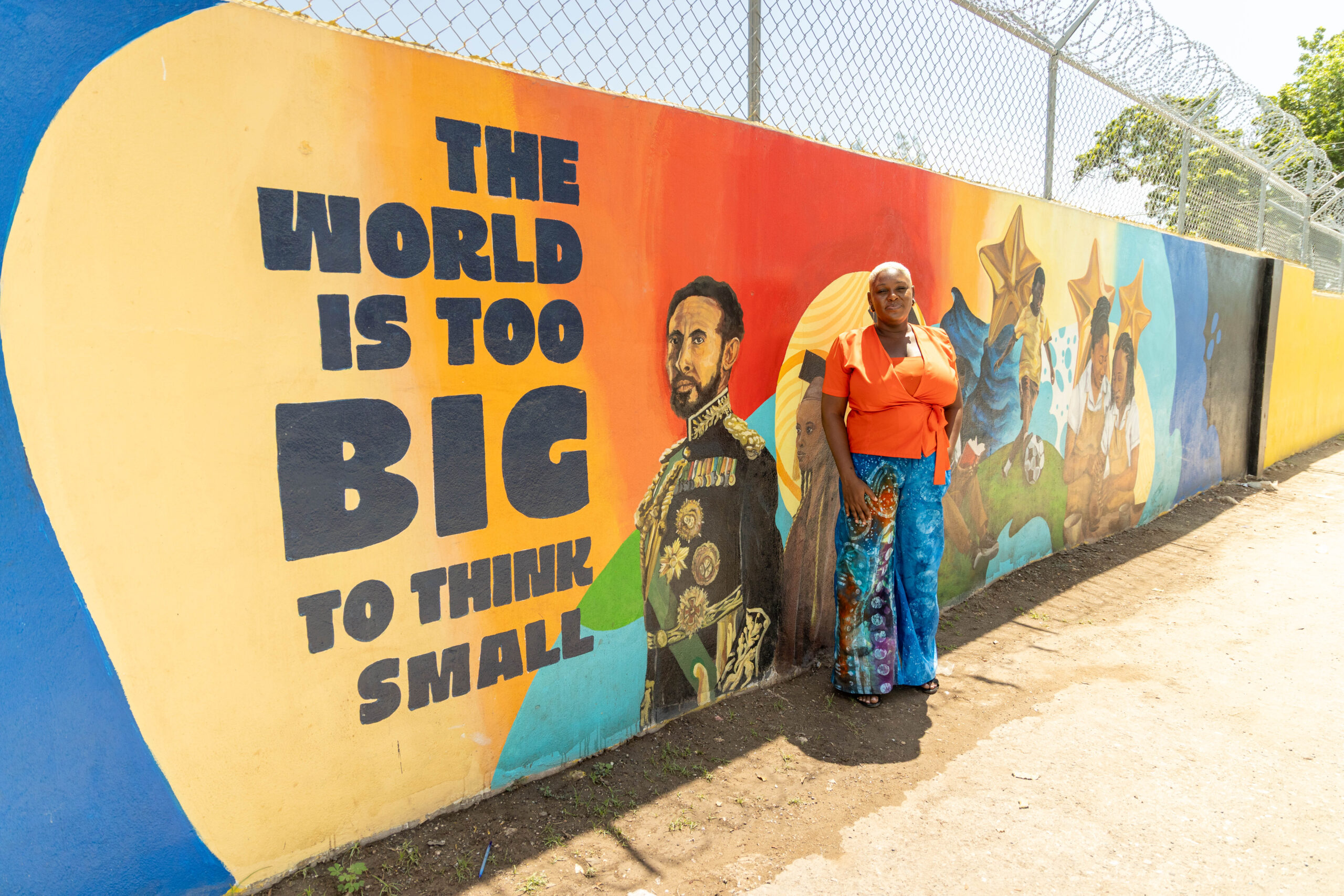
Kristen Mantock-Anderson is a 25-year veteran of the social work profession, who has spent the last six years working with boys and young men at the Rio Cobre Juvenile Correctional Centre in Spanish Town. Yet she can still be moved when she sees the young wards making the kind of progress that can help them avoid returning to the Rio Cobre Centre or any other correctional institution.
“The work can be hard and challenging,” she notes, “But when you see a ward who is coming from a place of being unable to simply manage their feelings for example – you know, when you see growth, it’s very, very rewarding!”
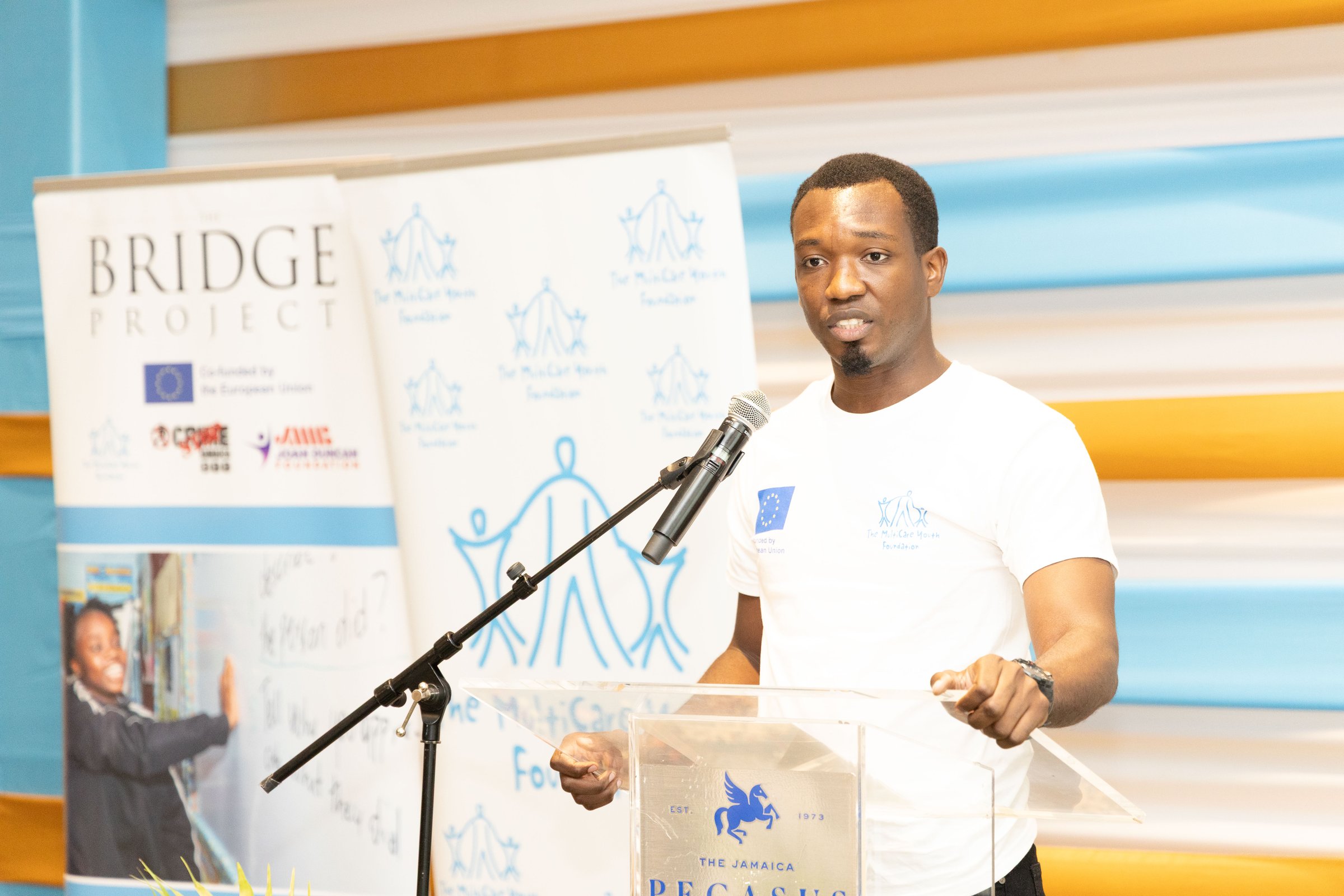
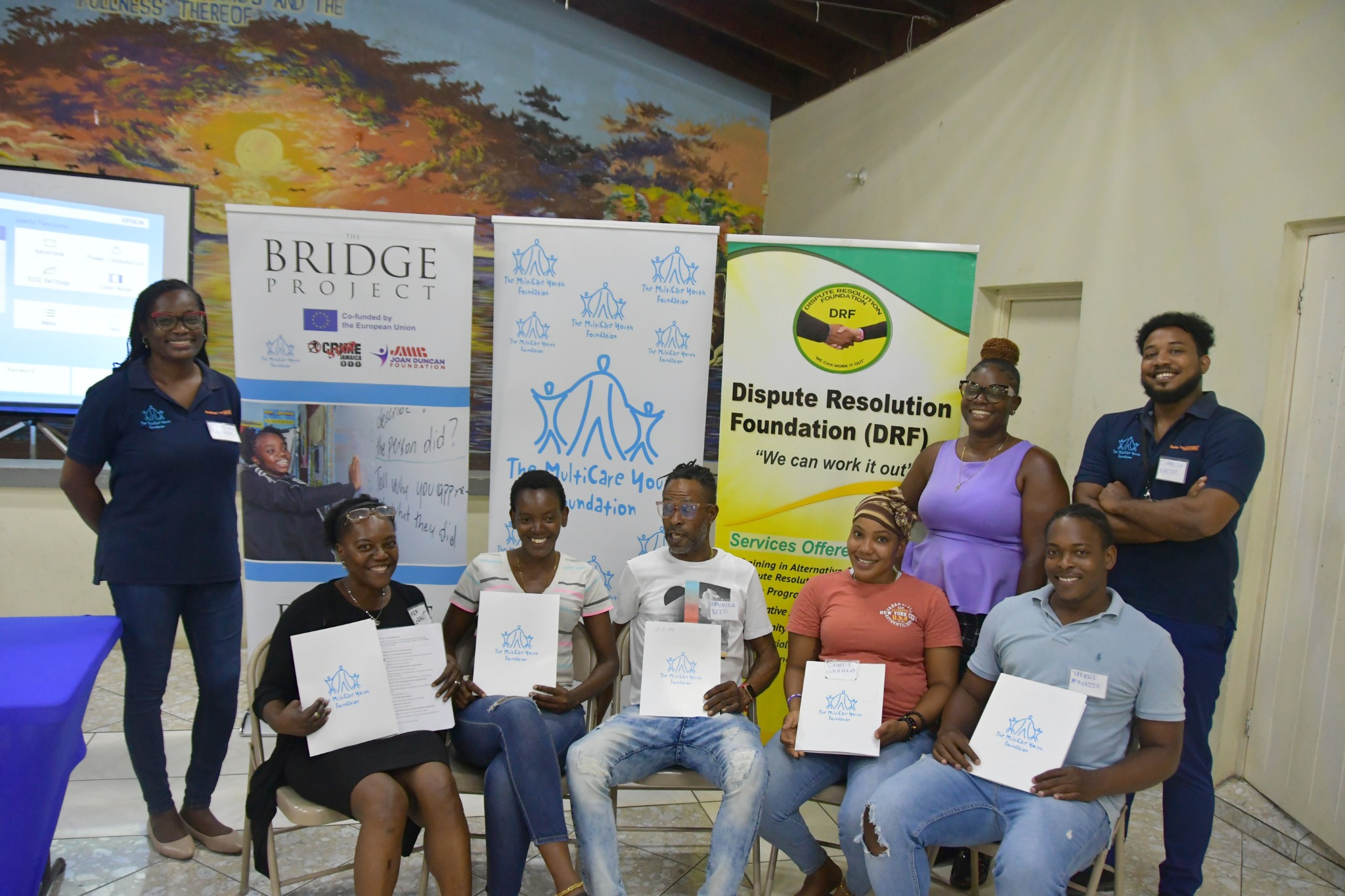
Now the Welfare Case Manager at the Rio Cobre Junior Correctional Centre, Mrs. Mantock-Anderson, is referring to what she sees as very positive aspects and outcomes of the training in Cognitive Behavioural Therapy (CBT) at the Centre. Training using the Jamaican version of CBT, Transforming Our Perspective (TOP-CBT) is one of the critical interventions carried out by The MultiCare Youth Foundation (MYF) under its three-year European Union funded BRIDGE (Building through Reintegration, Intervention, Development, Growth and Education) Programme. The MYF is the philanthropic arm of the ICD Group.
Over the four months of these workshops, 20 youth in the Rio Cobre Centre benefited from TOP-CBT, with 75% demonstrating a reduction in impulsiveness and 65% showing a reduction in aggression.
Mrs Mantock Anderson points out,
“I think this intervention is very valuable. A lot of boys are very impulsive, so when something happens, their impulse is just to act on it. That programme showed them another way. It showed them the consequences of their actions when they act on impulse. Also, it kind of provoked their thoughts and gave them a deeper understanding of how the thought pattern works, and how it can affect their actions.
“We have seen changes in them as a result of the CBT training,” she notes. “Normally, if something happened, they would fight – instead, after the workshops began, they would call me or one of the other officers and say, “I’m having this issue, me no want fight, so me a tell you,” and ask us for help in solving the problem.
“So we saw that the therapy had a good effect, since they didn’t want to do the things they used to do. This is important as many of those at this Correctional Centre are here because of impulsiveness – yet these important skills are not taught in schools or in many homes.”
The Rio Cobre Centre’s Welfare Case Manager is also happy to note,
“In fact, the wards actually looked forward to their Friday afternoon CBT workshops, and especially to the young men who came to present the training. The team found creative ways to bring across their points. They related to the wards well, because they were able to share some of their own experiences with them, and to show them positive alternatives.
“That was really good. Also, we appreciated the way the young men came in to do the training: some people are nervous around the youngsters here, but these were obviously very comfortable dealing with the boys. And actually, we loved working with both the MYF and the EU team members.”